Why Businesses and Startups Need a Multi-Cloud Infrastructure Ready for Implementation
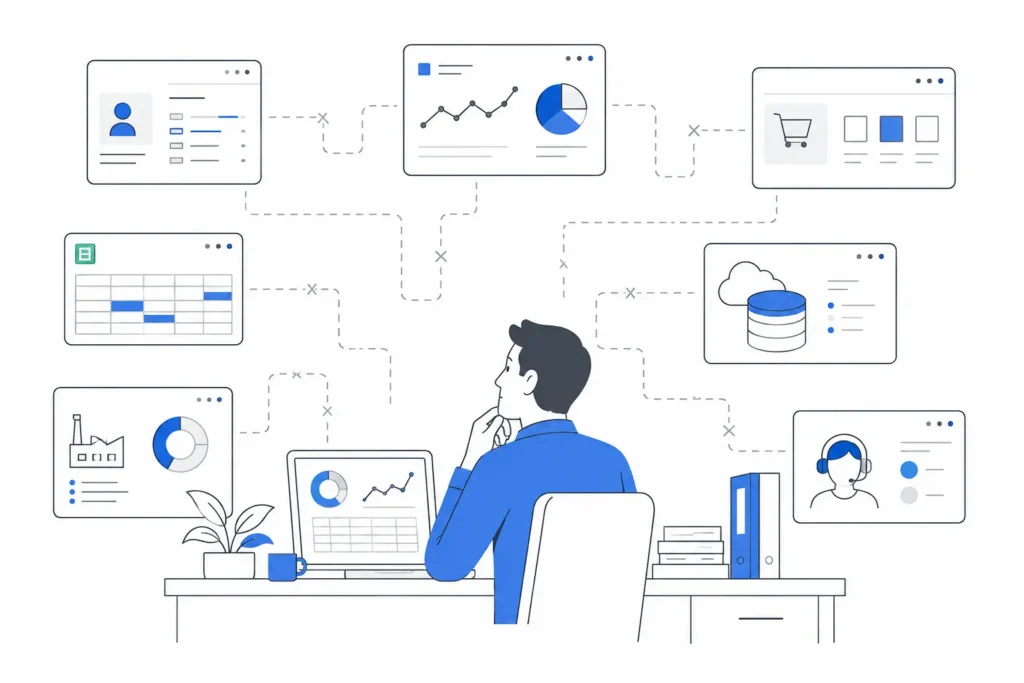
Starting a startup is difficult enough without spending weeks setting up a multi-cloud infrastructure. However, many tech founders in Portugal find that before they can deploy their first application, they need to design secure networks, configure identity management, encrypt storage, establish auditing and logs, and implement security controls across multiple cloud providers. What should take days often ends up consuming weeks of engineering work. Business leaders end up asking: “How can we create and deploy a secure multi-cloud infrastructure in time?” This diverts attention from other business priorities.
For development teams deploying applications in a multi-cloud environment such as AWS, Microsoft Azure, or Google Cloud Platform (GCP), infrastructure complexity increases exponentially. While AWS, Azure, and Google Cloud all offer identity management services, each provider implements permissions differently. Maintaining consistent security policies across providers thus becomes more difficult as teams grow, increasing the risk of overly permissive access and divergent configurations.
Many founders don’t realize the depth of the problem until engineers are busy configuring networks, data encryption keys, identity management functions, and trying to maintain consistent security compliance records across three different vendors. This is the hidden cost of adopting a multi-cloud architecture. That’s precisely why BluTree IT Solutions developed an open-source, production-ready multi-cloud security baseline that startups can implement from day one.
Why multi-cloud architecture can be an obstacle for growing businesses in Portugal
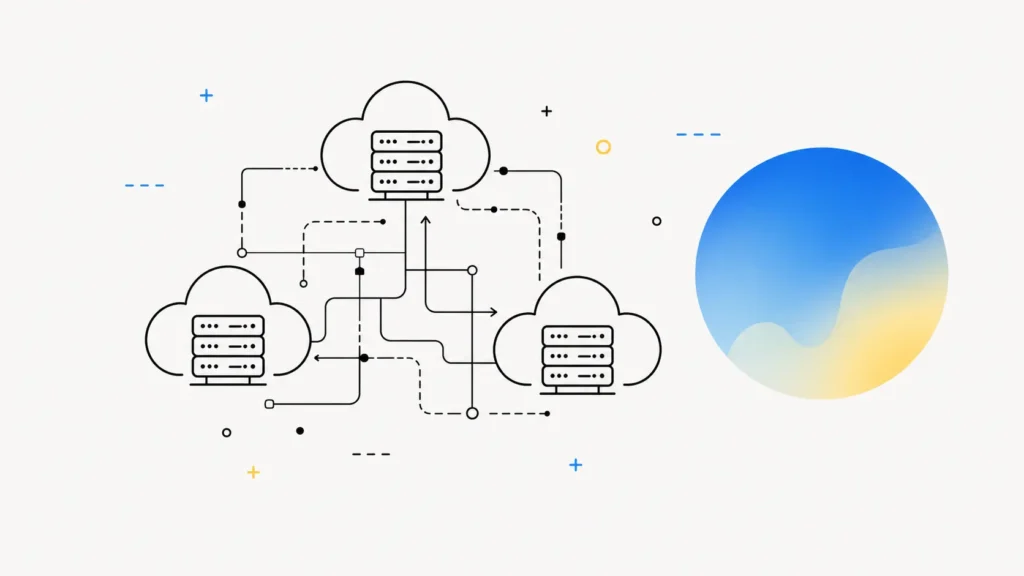
Even experienced software engineering teams often underestimate the differences in how each cloud provider manages fundamental operations. Attempting to synchronize these elements manually can create fragmented security gaps and divergent configurations.
IAM and multi-cloud access management solutions
AWS IAM, Azure RBAC, and GCP IAM all address the identity problem, but they use significantly different structural logics. Attempting to manually apply uniform permissions, least privilege access, and secure roles to deployments across all three systems poses a significant security risk.
Cloud network architecture and segmentation
Setting up a VPC in AWS, a VNet in Azure, and a global VPC in GCP requires dealing with three completely different predefined configurations, peering models, and network security group (NSG) controls.
Data encryption, auditing, and compliance (GDPR)
To operate securely in Portugal and the EU, cloud storage must comply with applicable GDPR data protection requirements. Manually configuring AWS KMS, Azure Key Vault, and GCP Customer-Managed Encryption Keys (CMEK) — while setting up immutable threat logging such as CloudTrail or Azure Defender — can require weeks of work from a dedicated DevOps team.
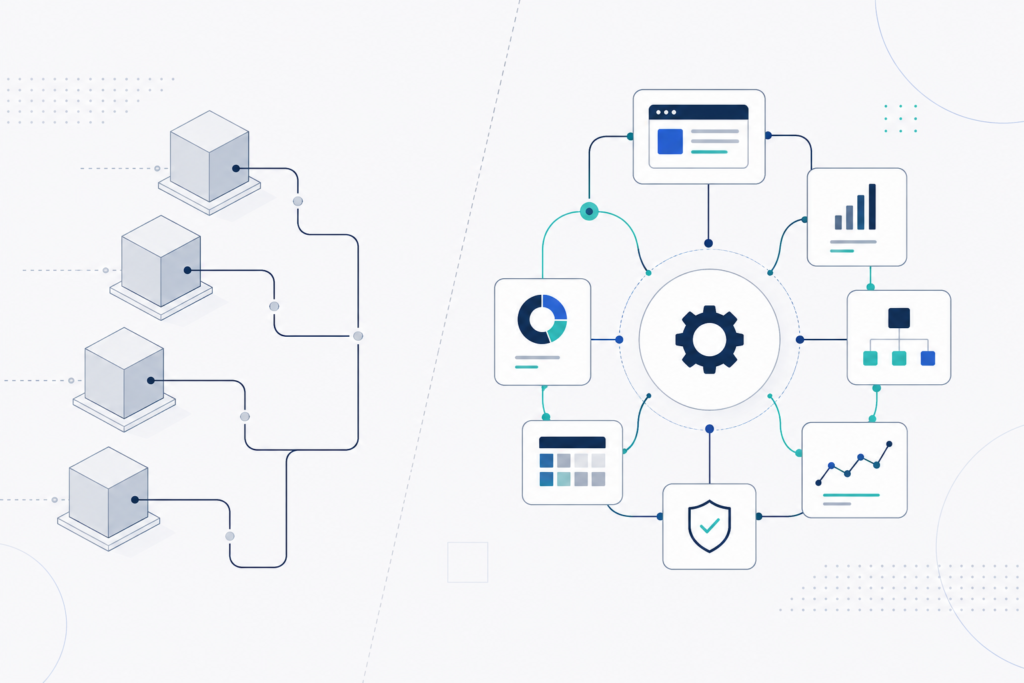
The solution: a pre-configured Terraform and DevOps infrastructure baseline.
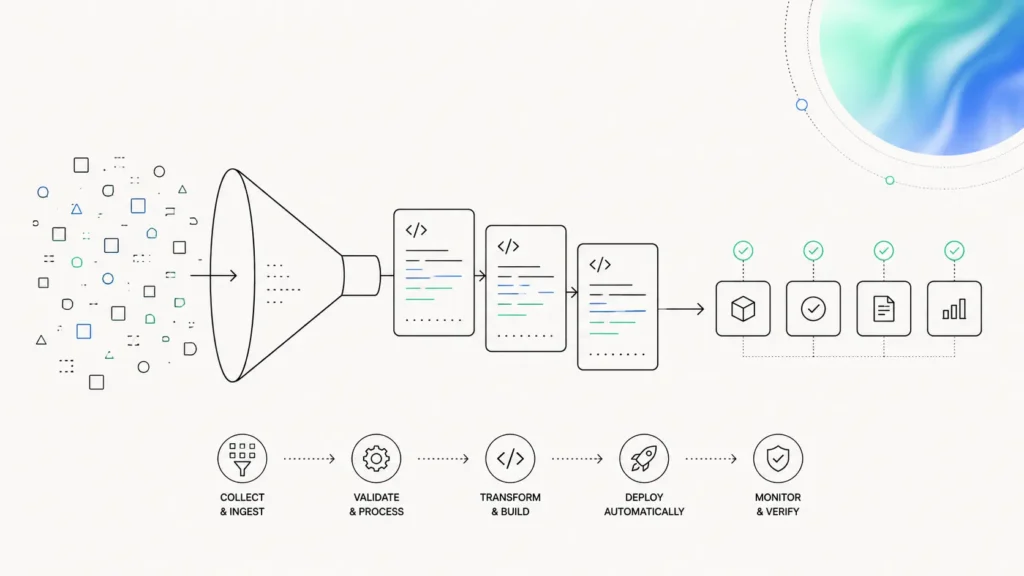
Instead of spending valuable resources reinventing infrastructure, startups can use pre-configured Infrastructure as Code (IaC). At BluTree, we’ve made our secure infrastructure baseline framework open source, allowing your engineering team to avoid much of the configuration work and focus on feature development.
The framework includes reusable Terraform modules and DevSecOps pipelines for:
- AWS Security Baseline: automated VPC creation, KMS encryption layers, CloudTrail auditing, and proactive threat detection through GuardDuty and Security Hub.
- Azure Cloud Baseline: secure VNet configurations, managed Key Vault frameworks, encrypted storage accounts, and automated protection mechanisms through Azure Policy.
- GCP Cloud Architecture: Secure isolated networks, automated log destinations, and restricted IAM roles for deployments.
- DevSecOps automation and CI security: integrated code analysis pipelines with Checkov policy control, container vulnerability analysis with Trivy, and secret detection with Gitleaks to identify exposures before deployment.
- Enhanced Docker configurations for production: ready-to-use NGINX configurations without root privileges and Docker FastAPI images optimized for high security and performance.
→ Explore the open-source multi-cloud framework in the BluTree GitHub repository.
Strategic advantages for tech startups in Portugal
Investing in a robust cloud infrastructure from day one can generate significant long-term business value.
Accelerate time-to-market: By avoiding much of the initial infrastructure setup, your developers can start directly developing the MVP or SaaS solution.
Automated regulatory compliance: With encrypted logs and pre-configured data traceability, the infrastructure is prepared to support European data protection requirements.
Predictable and scalable systems: Using unified Terraform modules allows for a consistent deployment process, whether the infrastructure grows on AWS, Azure, or GCP.
Build on a secure cloud foundation.
Cloud infrastructure should accelerate innovation — not hinder it. BluTree IT Solutions helps startups in Portugal create secure, scalable, and production-ready cloud environments, allowing engineering teams to focus on product development instead of getting lost in infrastructure complexities.
Whether you’re launching your first SaaS platform or modernizing an existing application, we can help you establish a secure multi-cloud foundation from day one.
Schedule a consultation and start building with confidence.
You may also be interested in BluTree’s MVP and SaaS Product Development offering or our AI and Business Automation solutions, depending on your company’s needs.
Frequently asked questions about multi-cloud architecture
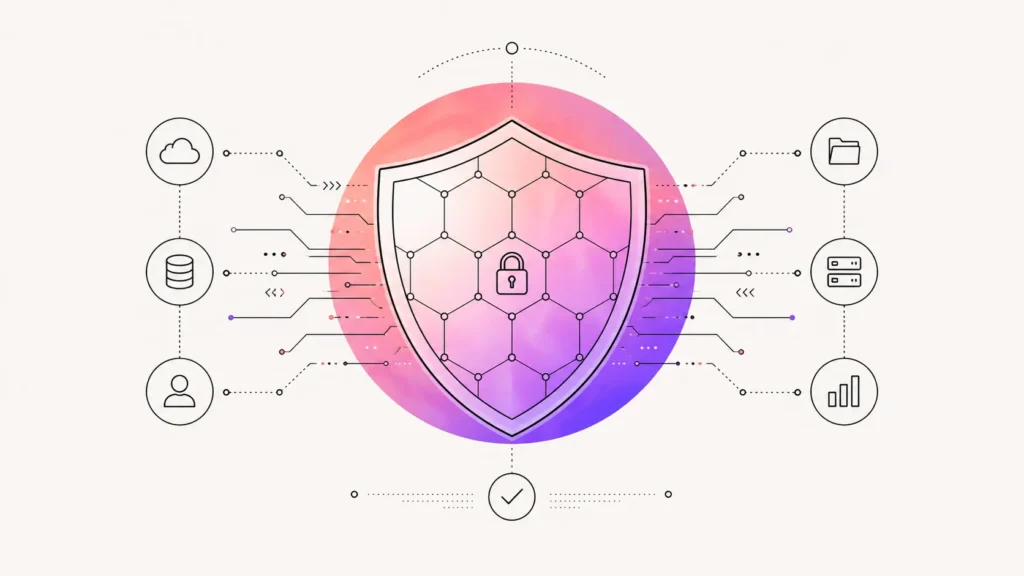
A secure multi-cloud baseline helps reduce vendor lock-in, improves configuration consistency, and supports greater availability. Automation with Terraform also reduces the time spent on manual infrastructure tasks.
Our infrastructure baselines incorporate security controls, data traceability, and encryption layers to help startups manage data securely and comply with applicable EU data protection requirements.
Yes. Managing different IAM policies, access roles, and permissions across multiple vendors can increase the risk of misconfiguration. Infrastructure as Code helps centralize, automate, and audit these configurations.
Not necessarily. Many startups begin with a single vendor to reduce complexity. However, a scalable architecture can help avoid future dependencies and facilitate the use of specialized services from different clouds.
It depends on the product objectives, the technology stack, security and compliance requirements, and scalability needs. A technical assessment helps to choose an architecture that is appropriate for the budget and business objectives.
Not necessarily. Open source and Infrastructure as Code technologies, such as Terraform, can reduce configuration work and avoid dependencies on proprietary solutions. The final cost will depend, however, on the size and complexity of the infrastructure.
Automation significantly reduces the manual work required to configure networks, security, and other components. The baseline can be implemented and customized from day one, depending on the specific project requirements.