Why Do You Need Ready-to-Deploy Multi-Cloud Infrastructure?
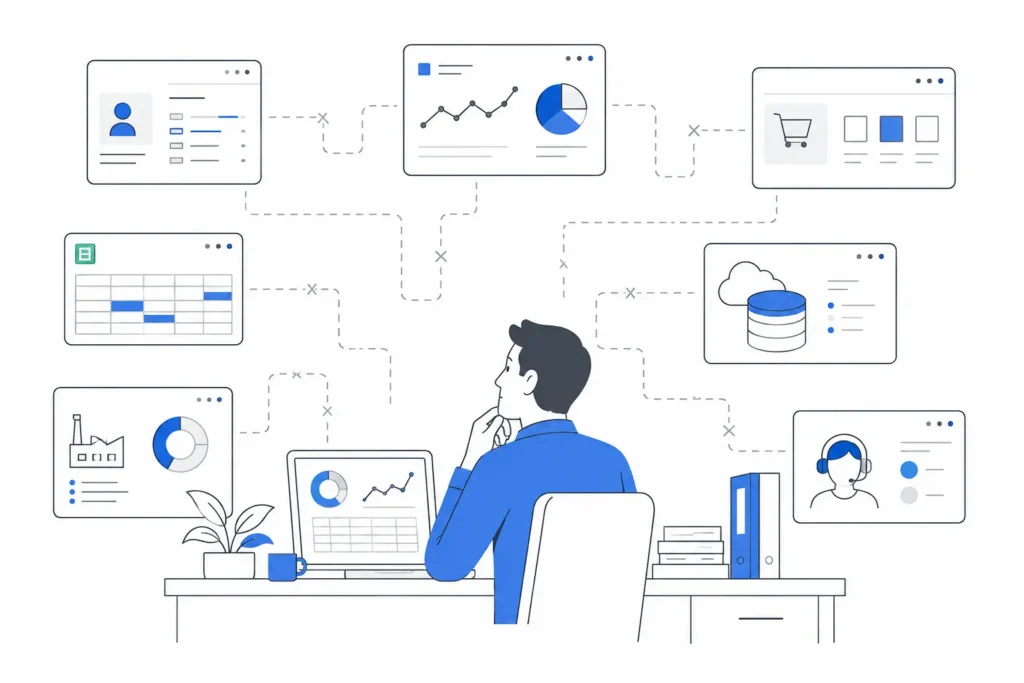
Launching a startup is difficult enough without spending weeks configuring multi-cloud infrastructure. Yet many technical founders in Portugal discover that before they can deploy their first application, they must design secure networks, configure identity management, encrypt storage, establish audit logging, and implement security controls across multiple cloud providers. What should take days often consumes weeks of engineering time. Business owners find themselves asking “how do we build and deploy secure multi-cloud infrastructure in time?” A detraction from other business concerns.
For development teams deploying across a multi-cloud environment like AWS, Microsoft Azure, or Google Cloud Platform (GCP), that infrastructure complexity multiplies exponentially. Although AWS, Azure and Google Cloud all provide identity management services, each implements permissions differently. Thus maintaining identical security policies across providers becomes difficult as teams grow, increasing the likelihood of overly permissive access and configuration drift.
Most founders don’t realize how deep the rabbit hole goes until engineers are stuck wiring networks, configuring data encryption keys, stitching together identity management roles, and trying to keep security compliance records consistent across three different providers. This is the hidden tax of multi-cloud adoption. It is exactly why BluTree IT Solutions engineered a production-ready, open-source multi-cloud security baseline that startups can deploy on day one.
Why Multi-Cloud Architecture is a Bottleneck for Emerging Businesses in Portugal
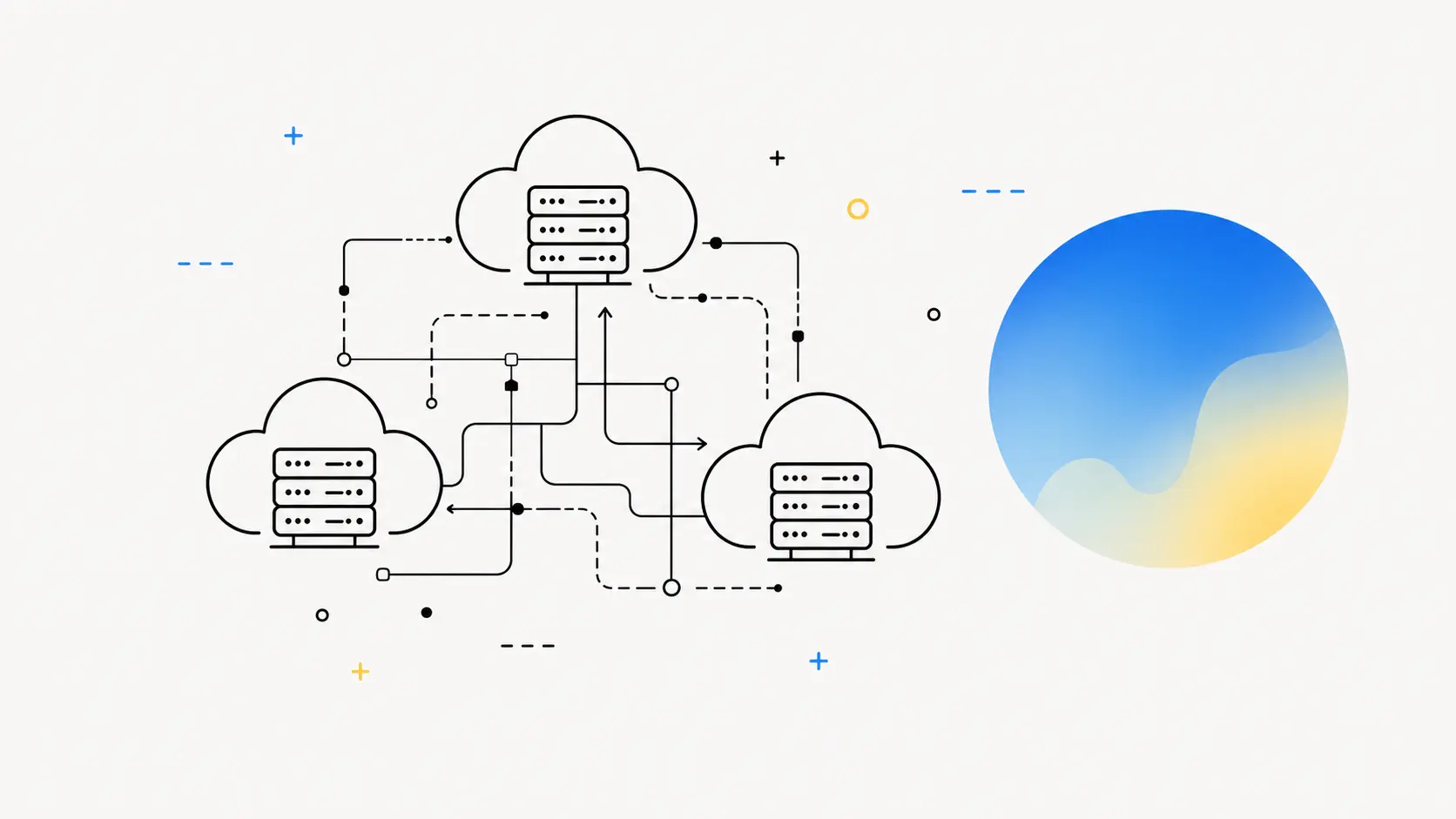
Even senior software engineering teams frequently underestimate how differently each cloud provider handles foundational operations. Trying to synchronize them manually leads to fragmented security holes and configuration drift.
- Multi-Cloud IAM and Access Solutions
AWS IAM, Azure RBAC, and GCP IAM all solve the identity problem, but they use completely different structural logic. Trying to enforce uniform user permissions, least-privilege access, and secure deployer roles across all three systems manually is a massive security risk.
- Cloud Network Architecture & Segmentation
Configuring a VPC in AWS, a VNet in Azure, and a global VPC in GCP requires navigating three entirely different default setups, peering models, and network security group (NSG) controls.
- Encryption, Auditing, and Data Compliance (RGPD)
To operate safely in Portugal and the EU, your cloud storage must strictly satisfy strict RGPD compliance laws. Manually configuring AWS KMS, Azure Key Vault, and GCP Customer-Managed Encryption Keys (CMEK)—while setting up immutable threat logs like CloudTrail or Azure Defender—can take a dedicated DevOps team weeks to build from scratch.
The Solution: A Pre-Built Terraform & DevOps Infrastructure Baseline
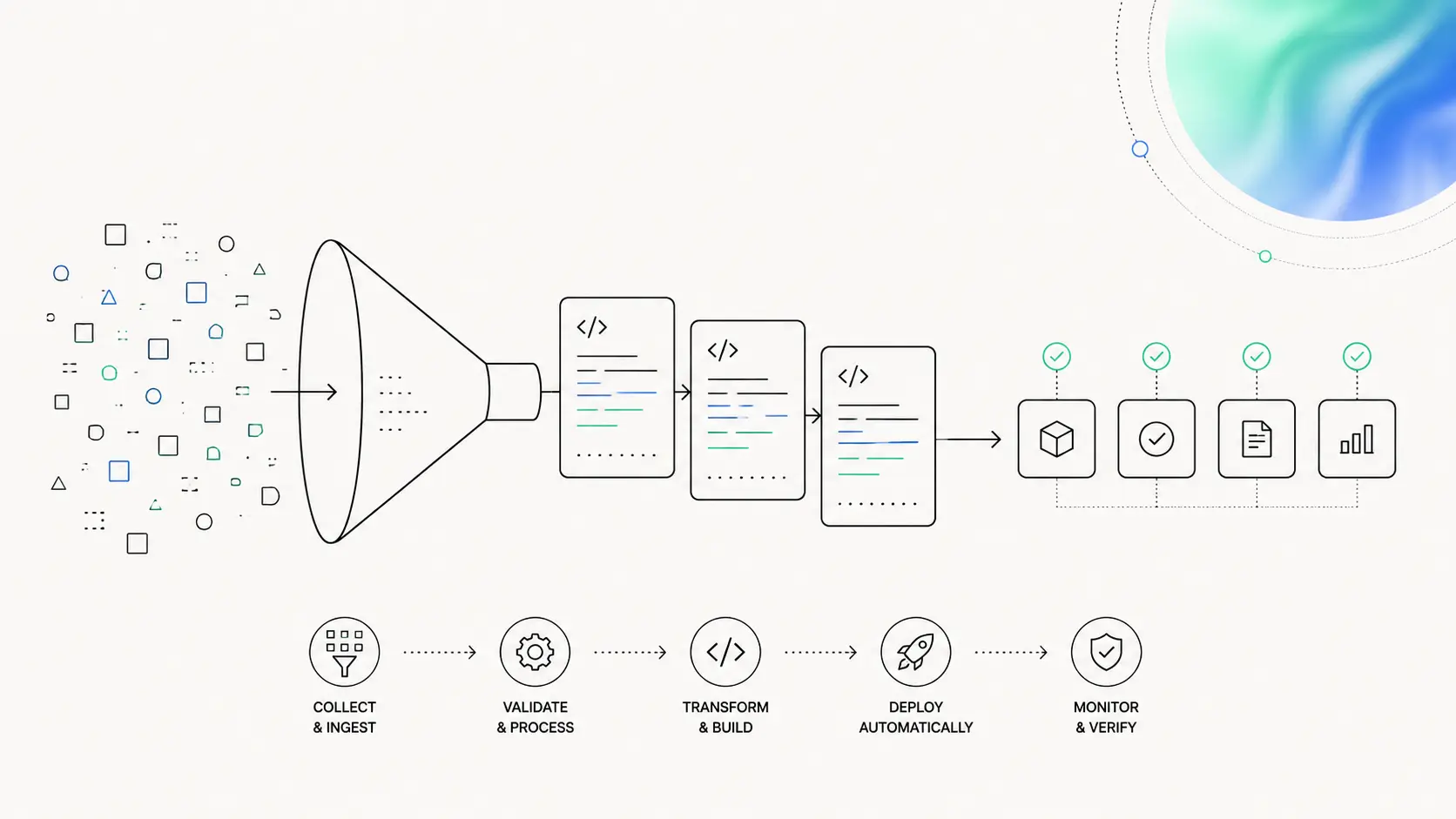
Instead of spending valuable runway reinventing the wheel, startups can utilize pre-built Infrastructure as Code (IaC). At BluTree, we open-sourced our secure infrastructure baseline framework so your engineering team can skip the plumbing and focus entirely on building features.
The framework includes reusable Terraform modules and DevSecOps pipelines covering:
- AWS Security Baseline: Automated VPC creation, KMS encryption layers, CloudTrail auditing, and active threat detection via GuardDuty and Security Hub.
- Azure Cloud Baseline: Secure VNet setups, managed Key Vault structures, encrypted storage accounts, and automated Azure Policy guardrails.
- GCP Cloud Architecture: Secure isolated networks, automated log sinks, and restricted deployer IAM roles.
- DevSecOps Automation & CI Security: Built-in code scanning pipelines using Checkov policy tracking, Trivy container vulnerability scanning, and Gitleaks secret detection to catch exposures before deployment.
- Hardened Production Docker Configs: Ready-to-go, non-root NGINX configurations and optimized FastAPI Docker images built for high-throughput security.
→ Explore the Open-Source Multi-Cloud Framework on the BluTree GitHub Repository
Strategic Advantages for Tech Startups in Portugal
Investing in an ironclad cloud foundation on day one delivers massive long-term business value:
- Accelerated Time to Market: By bypassing infrastructure setup, your developers get straight to coding your minimum viable product (MVP) or SaaS tool.
- Automated Regulatory Compliance: Having encrypted logs and data tracking pre-configured means you naturally satisfy EU data privacy standards right out of the gate.
- Predictable and Scalable Systems: Utilizing unified Terraform modules ensures your deployment workflow remains identical whether you scale on AWS, Azure, or GCP.
Build on a Secure Cloud Foundation
Cloud infrastructure should accelerate innovation—not delay it. BluTree IT Solutions helps startups across Portugal design secure, scalable, and production-ready cloud environments so engineering teams can focus on building products instead of infrastructure.
Whether you’re launching your first SaaS platform or modernising an existing application, we can help you establish a secure multi-cloud foundation from day one.
Book a consultation and start building with confidence.
You may also want to look into BluTree’s MVP & SaaS Product Development offer or AI and Business Automation Solutions as it suits your business.
…
Frequently Asked Questions About Multi-Cloud Architecture
A secure multi-cloud baseline prevents provider lock-in, optimizes operational uptime, and ensures consistent configuration compliance across AWS, Azure, and GCP. By automating infrastructure deployment using pre-built Terraform modules on day one, emerging businesses can accelerate their time-to-market and eliminate months of manual cloud plumbing overhead.
Our secure infrastructure baselines are engineered to naturally satisfy strict EU data privacy rules. We deploy automated data tracking, establish customer-managed encryption layers, and route log networks through secure sinks, allowing startups in Portugal to process enterprise datasets while remaining fully compliant with local RGPD data protection laws.
Yes. Juggling AWS IAM policies, Azure role-based access, and Google Cloud permissions manually introduces configuration drift and access vulnerabilities. Transitioning to Infrastructure as Code (IaC) via a unified multi-cloud repository allows your engineering team to scale infrastructure securely using a centralized, auditable source of truth.
Not necessarily on day one. Most early-stage startups begin on a single provider like AWS or Azure to save overhead. However, planning a multi-cloud layout early prevents future vendor lock-in, ensures high availability, and allows you to use specialized tools from different clouds (like Google Cloud’s AI processing alongside Azure’s data pipelines) as your enterprise scales.
The right cloud infrastructure depends on your specific product goals, technical stack, and compliance needs. If you are building high-volume data architectures, a Microsoft Azure pipeline is highly efficient. If you are focused on web application scaling or specific machine learning services, AWS or GCP might fit best. Consulting with a dedicated cloud specialist ensures your baseline is built to match your budget and scalability metrics without burning engineering hours.
No. By utilizing open-source Infrastructure as Code (IaC) frameworks like Terraform, startups can bypass expensive proprietary setups. Our pre-built multi-cloud baselines allow emerging businesses to deploy industrial-grade security controls, containerization, and monitoring tools directly onto AWS, Azure, or GCP entirely within standard cloud utility budgets.
While manually configuring separate cloud networks and security protocols can consume weeks of internal development runway, our automated infrastructure framework can be deployed and customized on day one. This immediate implementation eliminates common “cloud plumbing” setup delays, letting your software development team focus on shipping features instantly.